A Timely Collection
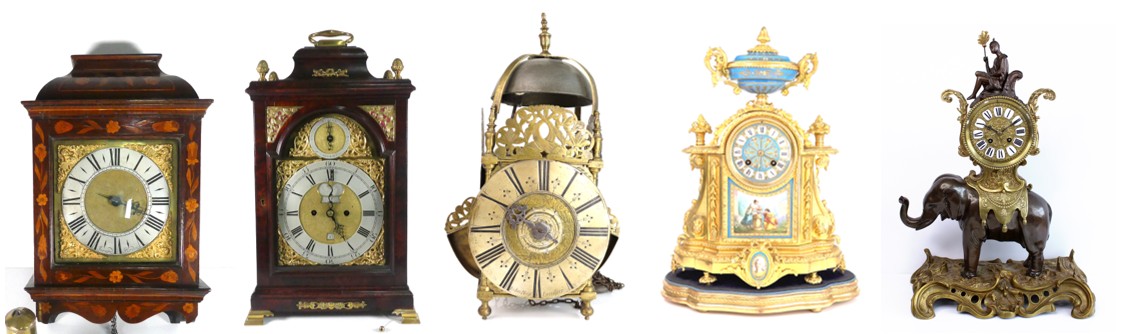
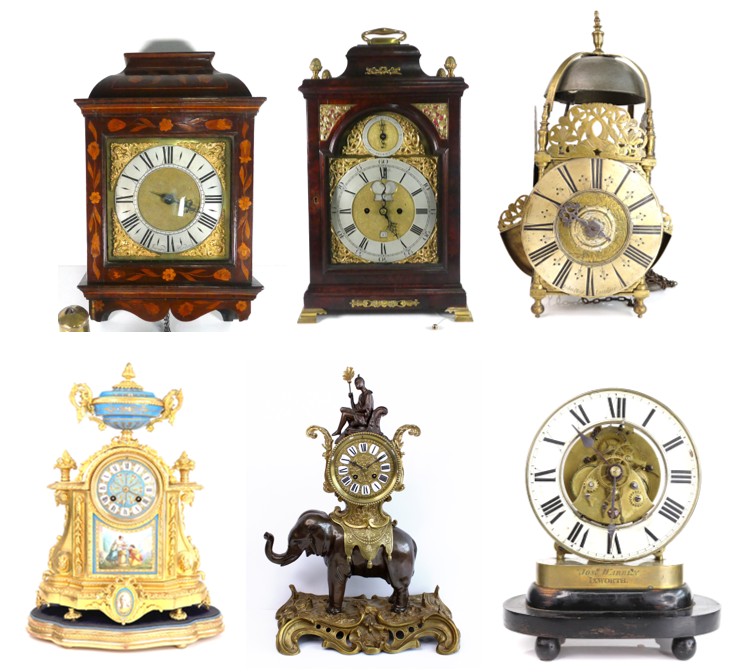
Our 23rd June Fine Art & Antiques auction includes an impressive selection of over fifty clocks, ranging from elaborate 17th century lantern clocks to Regency bracket clocks and beautifully lacquered longcases. As befits an auction house in Bury St Edmunds with its rich history of watch and clockmaking, there are several examples by local makers.
Suffolk has a long and distinguished tradition of clock and watch making, particularly during the eighteenth and nineteenth centuries, when prosperous market towns such as Bury St Edmunds, Sudbury and Ipswich supported thriving communities of craftsmen. Before the arrival of large-scale factory production, local clockmakers were highly respected artisans whose work combined engineering, cabinet making, engraving and decorative art. Longcase clocks in particular became prized household possessions, often standing proudly in the halls of farmhouses, inns and merchants’ homes throughout East Anglia.
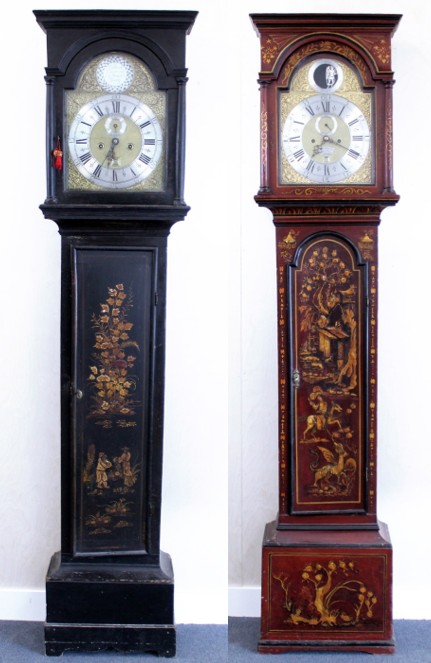
Among the best-known Suffolk makers was Richard Rayment of Bury St Edmunds, active during the first half of the eighteenth century. This auction contains two Rayment longcases, including this beautiful chinoiserie lacquered example. Rayment is now regarded as one of the county’s most important horologists. His workshop produced longcase clocks, watches, bracket clocks and lantern clocks of notably high quality, many displaying the distinctive decorative style associated with East Anglian craftsmanship.
Contemporary records suggest that he worked in parallel with the Hawkins family of Bury St Edmunds for several decades, helping to establish the town as one of Suffolk’s principal centres of horology.
William Hawkins, who produced this red lacquered longcase, belonged to a family of makers active in the town during the eighteenth century, alongside Mark and later James Hawkins. William succeeded to his father’s business around 1740, which was located at the corner of Whiting Street and Churchgate. However, he only produced clocks in his name for a short period, so this example is a rare survivor.
Longcase clocks of this period demonstrate the enduring popularity of locally made movements and painted or brass dials at a time when accurate domestic timekeeping was becoming increasingly important for commerce, agriculture and travel.
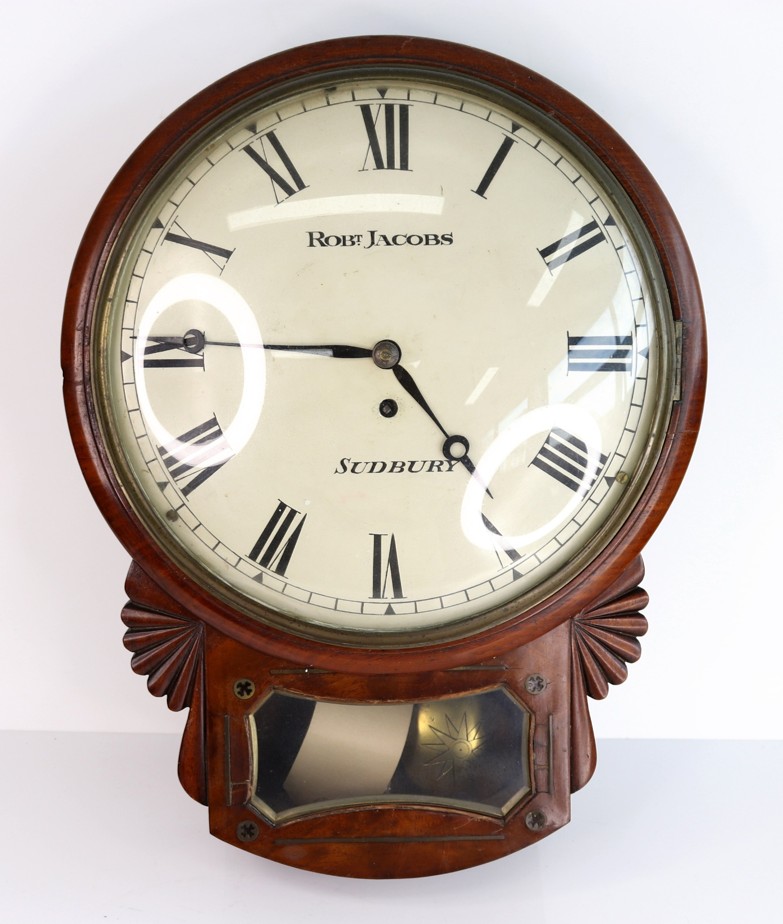
Further south, Sudbury also developed a strong clockmaking tradition. Robert Jacobs, who made this Regency era wall clock, was among the craftsmen associated with the town’s horological trade, which benefited from Sudbury’s importance as a prosperous wool and market centre.
Suffolk makers often served wide rural hinterlands, travelling to maintain clocks in manor houses, churches and farms across the county. The clockmaker therefore occupied a significant role not only as a craftsman, but also as a trusted mechanic within local communities.
The importance of the clock and watch trade to Suffolk should not be underestimated. Before industrial standardisation, local makers supplied nearly every town in the county with essential timekeeping instruments. Apprenticeships supported skilled employment, while related trades — cabinet makers, brass founders, engravers and dial painters — all benefited from the demand for clocks. Bury St Edmunds also had a thriving gun-making industry, which worked closely with the clockmakers to produce precision mechanics.
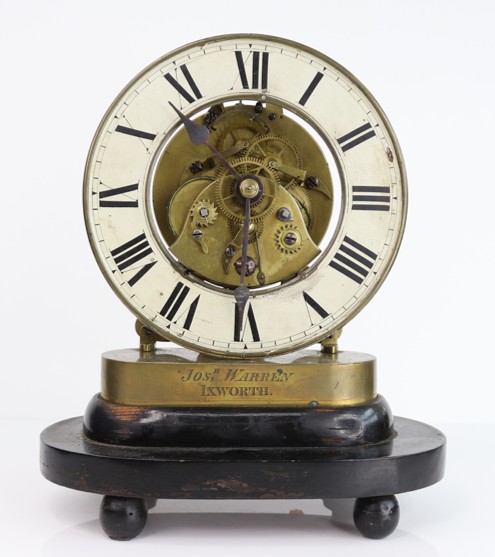 Sticking with the mechanics, skeleton clocks, with their exposed mechanisms, reflected the Victorian admiration for precision engineering and craftsmanship, turning the movement itself into an object of beauty.
This example by Joseph Warren of Ixworth dates from around the 1830s. Warren was also a collector of coins, antiquities and local historical artefacts, illustrating how many provincial clockmakers possessed broad mechanical and scholarly interests. He recognised the importance of, and published an account of, the Anglo-Saxon pendant known as the Ixworth Cross in 1856.
By the nineteenth century, cheaper factory-made movements increasingly replaced wholly hand-made local production, yet Suffolk makers continued to adapt by assembling, repairing and retailing clocks well into the Victorian era. Today, surviving Suffolk clocks are valued not only as functional timepieces, but also as important examples of regional craftsmanship and social history, preserving the names and skills of the county’s remarkable horological tradition.
Alongside the Suffolk clocks in this collection are a broad selection of examples by London and other provincial makers, to include Joseph Windmills, Robert Warr, John Henry Humfreys, John Wise, John Peatt of Crieff, Henry Jerard of Hindon, and William Rabone & Crinsoz, alongside a collection of barometers. View the clock section here.
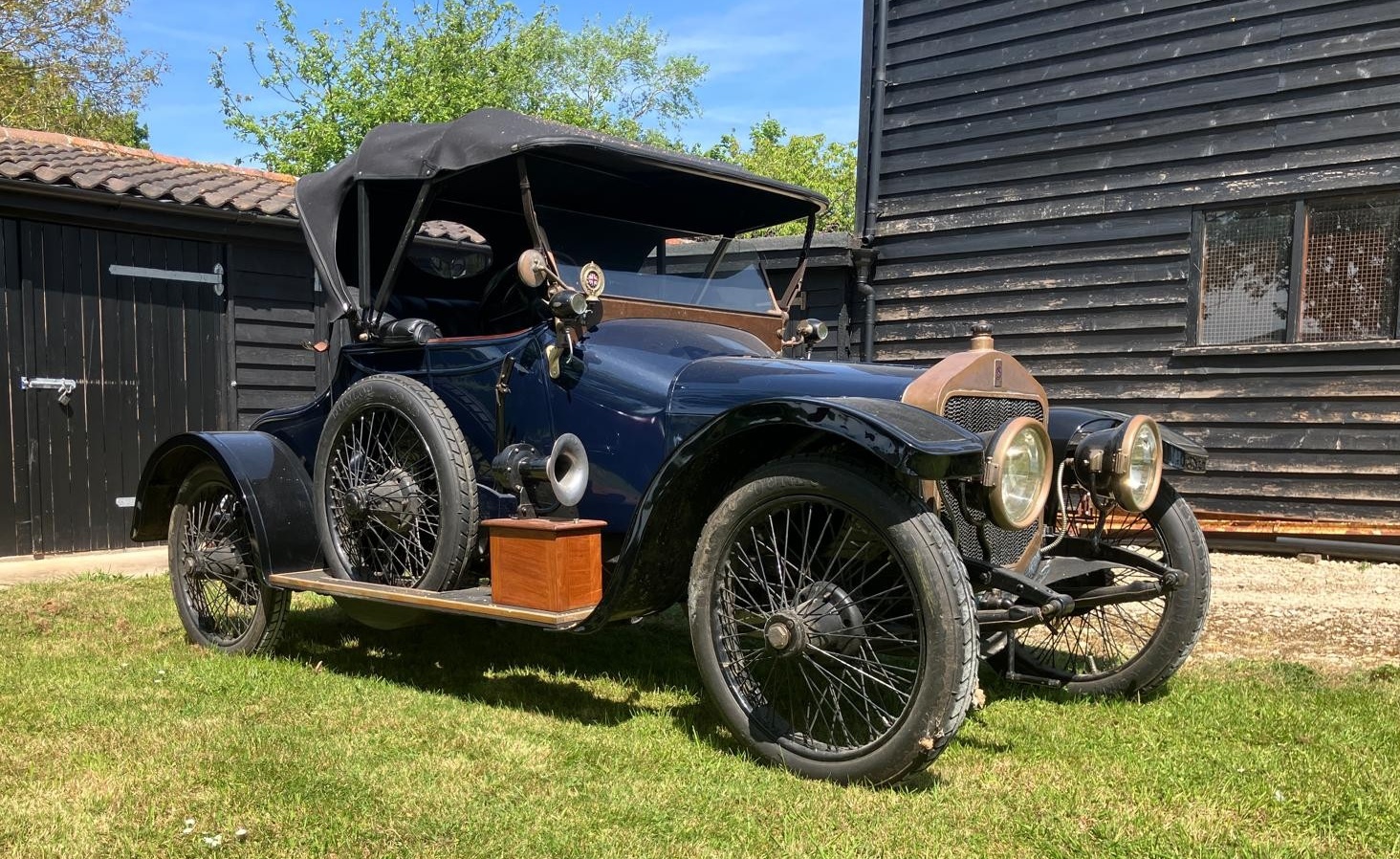
Many of the clocks and barometers are part of the Ernie Warren estate. While classic cars were Ernie’s enduring passion, he was always an avid collector of timepieces and bygones. Suffolk born-and-bred, many pieces reflected his love for the local area – and it isn’t a huge stretch of the imagination to assume that clockmaker and antiquarian Joseph Warren of Ixworth was an ancestor!
The auction catalogue can be viewed here and we will be open for public viewing for several days before the auction.
Sign up to hear about forthcoming auctions, news and featured lots
Please be assured that we will never pass your details on to third parties and you can unsubscribe at any point.
.JPG)
.jpg)