A Fruitful Pair of Artists
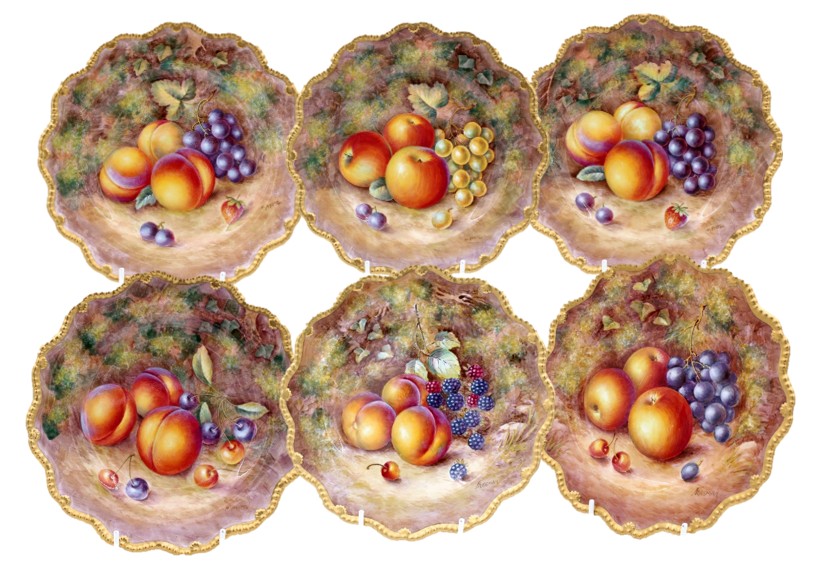
Royal Worcester has long been associated with some of the finest hand-painted porcelain produced in Britain, and among its respected twentieth-century artists were Harry Ayrton and John Freeman.
Our 23rd June Fine Art & Antiques auction includes a collection of cabinet plates showcasing the skills of both artists.
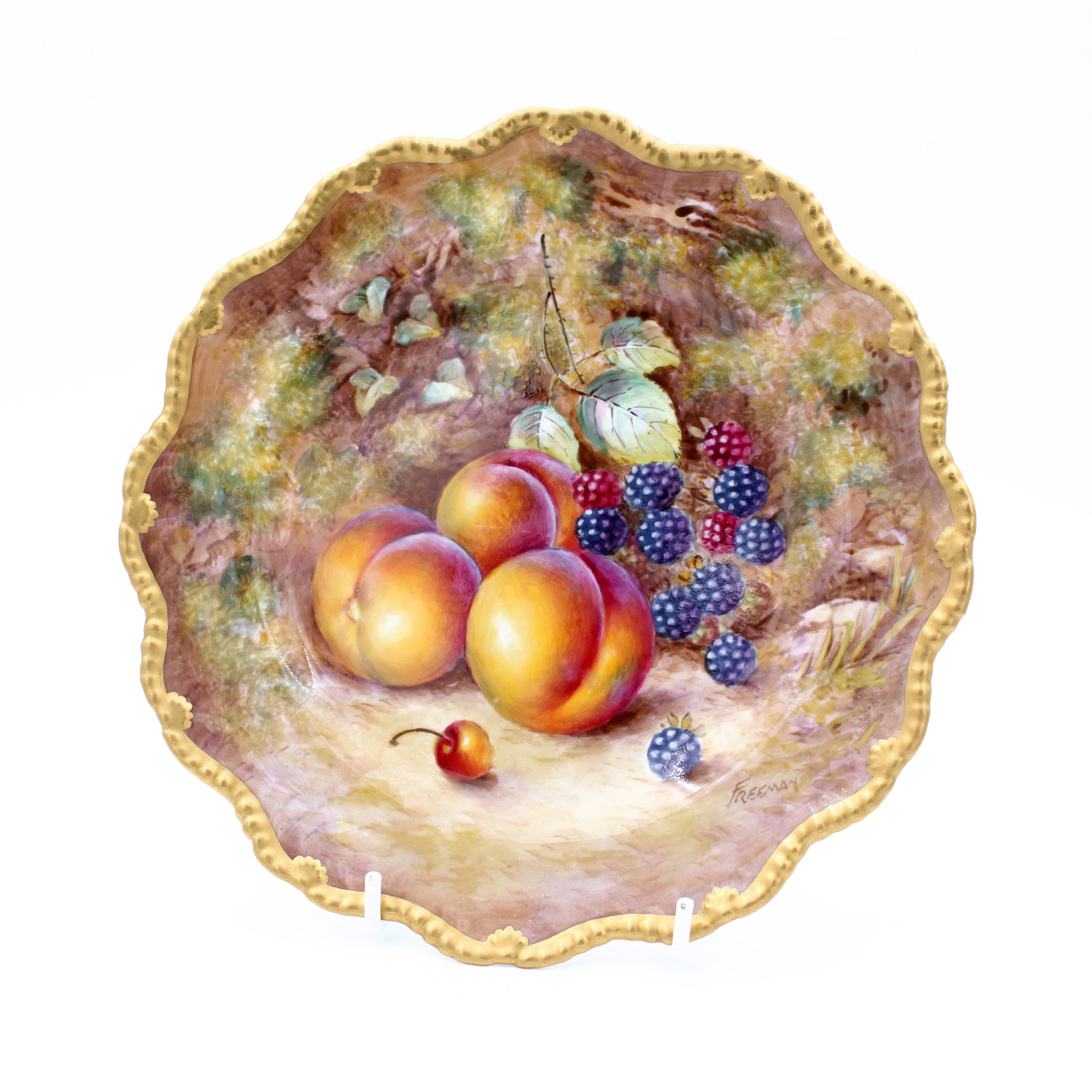
Born in 1905, Ayrton joined the Worcester factory in 1920 as a young apprentice and remained there for approximately fifty years, continuing to paint part-time until his death in 1976. John Freeman was born a few years later in 1911, close to the porcelain works in Worcester, and joined the company at the age of just 14. Both became particularly admired for their richly detailed fruit studies — lush arrangements of peaches, grapes, apples and berries painted with remarkable depth and subtle colour transitions. Freeman even became known as ‘The Fruit Machine’ amongst his colleagues. Collectors often regard these pieces as classic examples of the golden age of Royal Worcester fruit painting.
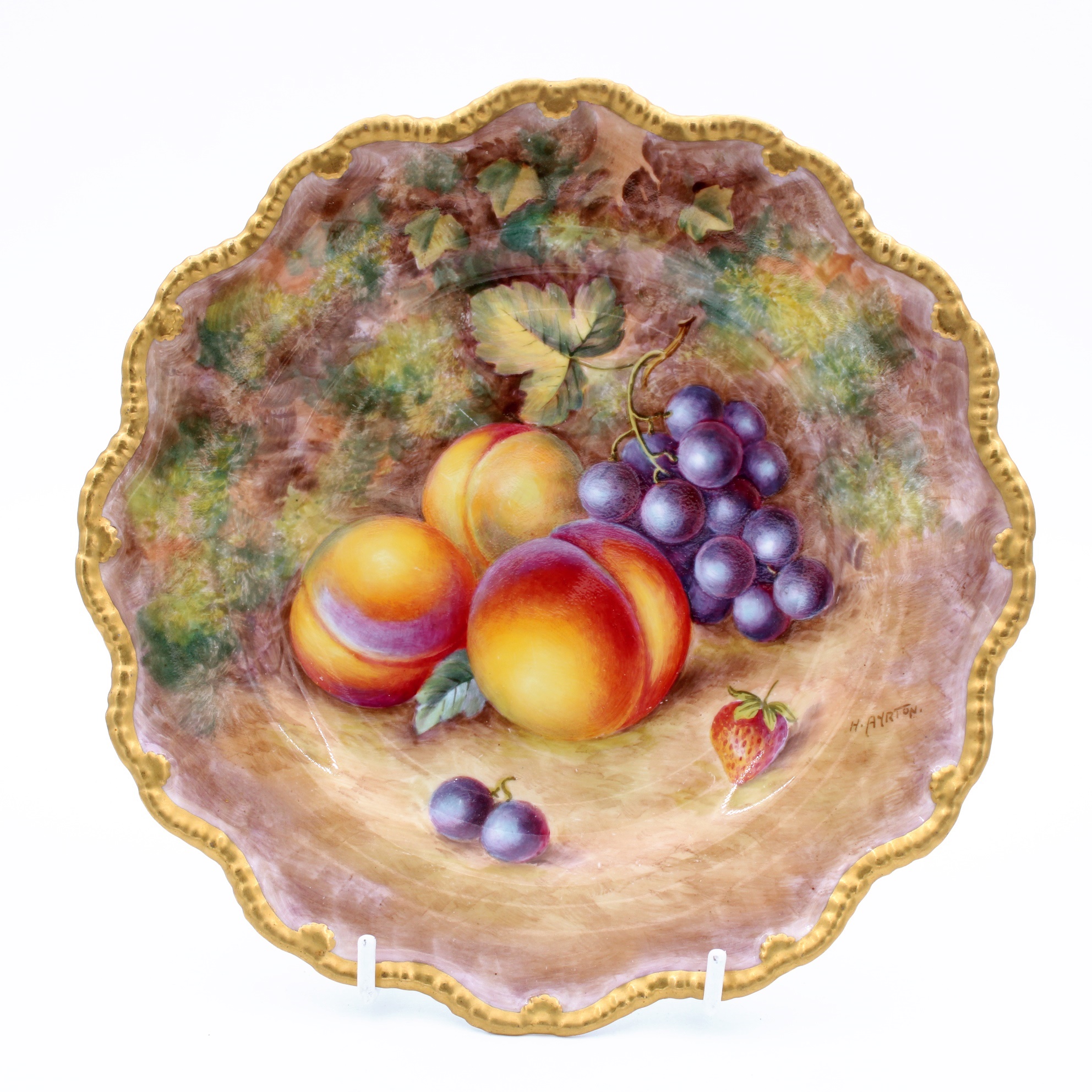
At Royal Worcester, the pair worked during a period when the factory employed a remarkable concentration of specialist decorators and ceramic painters. Artists were often known for one particular subject: game birds, landscapes, flowers, cattle scenes, or still-life fruit compositions. Ayrton and Freeman’s strengths lay in fruit painting, where translucent enamel layers and repeated firings created an almost luminous realism on fine bone china.
Royal Worcester itself occupies an important place in British ceramic history. Founded in 1751, it became one of England’s most prestigious porcelain houses and received royal patronage during the eighteenth century. Over the decades, the company developed from producing early blue-and-white wares inspired by Chinese porcelain into a centre for elaborate decorative artistry and luxury tableware. By the late Victorian and Edwardian periods, hand-painted cabinet plates, vases and exhibition pieces had become highly sought after, particularly those signed by recognised artists.
In recent years there has been a noticeable resurgence of interest in collecting fine pottery and porcelain, especially among buyers seeking craftsmanship, history and individuality in household objects. Part of this revival comes from a broader appreciation for handmade decorative arts in an era dominated by mass production. Younger collectors are increasingly drawn to the artistry behind these works, while established collectors continue to value rarity, condition and painter attribution.
Collectors today often search specifically for signed works by artists like Harry Ayrton and John Freeman because the painter’s individual hand adds both personality and provenance to a piece. A cabinet plate or vase bearing an artist's signature is not simply decorative china; it represents the legacy of a highly skilled workshop tradition that flourished in Worcester for generations. As interest in heritage crafts continues to grow, Royal Worcester porcelain — particularly hand-painted fruit wares — remains a strong symbol of British ceramic artistry and enduring collectable appeal.
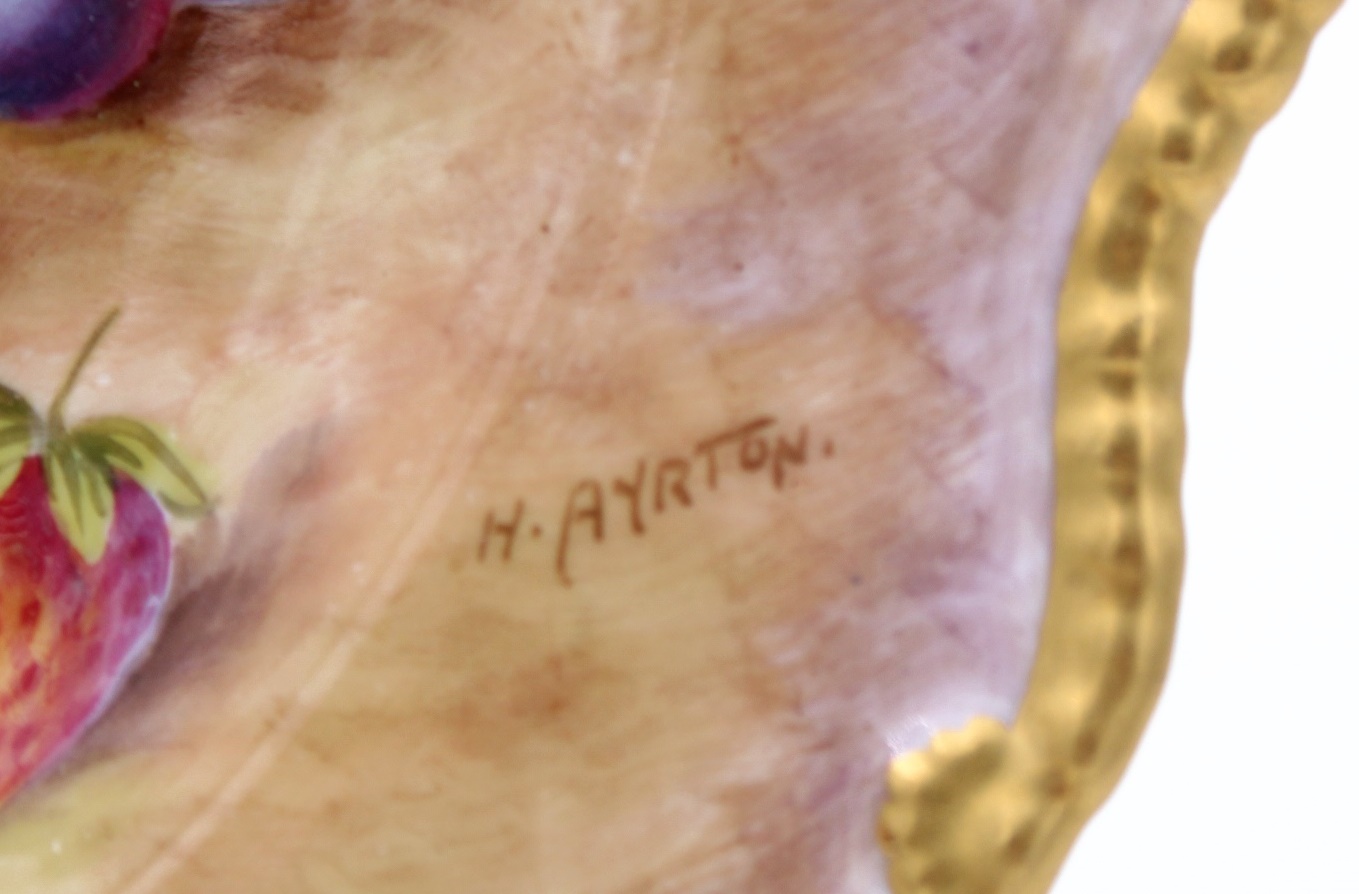
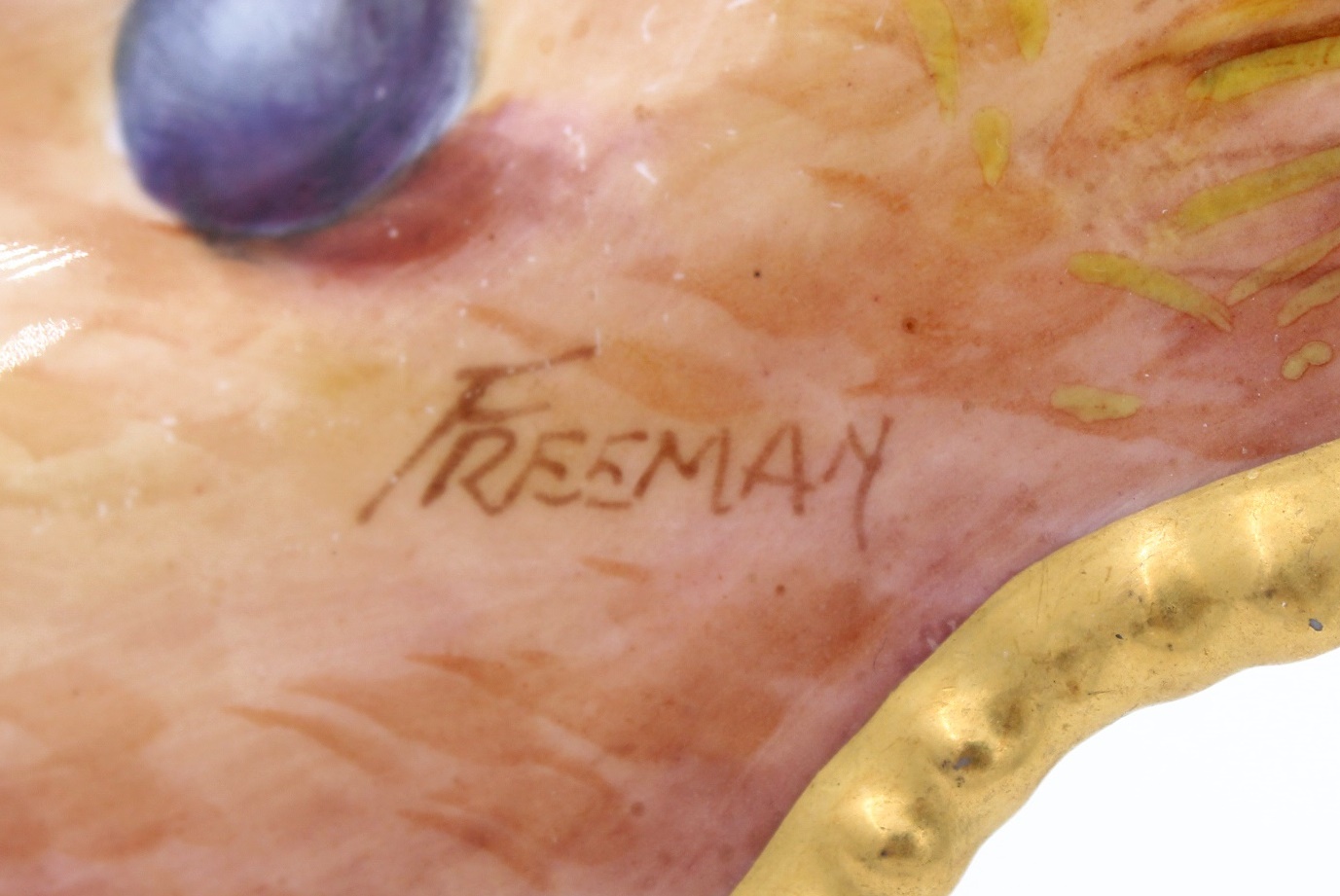
The six porcelain cabinet plates in our forthcoming auction beautifully showcase the works of these two artists and the quality of mid-century Worcester porcelain in general. They each carry an estimate of £300-500.
The full catalogue can be viewed here.
Sign up to hear about forthcoming auctions, news and featured lots
Please be assured that we will never pass your details on to third parties and you can unsubscribe at any point.

.JPG)

.jpg)